Platform comparison
| Platform | YES odds | NO odds | Fee | KYC | Settlement | |
|---|---|---|---|---|---|---|
Polymarket (via PolyGram) Pick polygram.ink (preferred broker) |
9% | 91% | 0% (USDC on-chain) | No-KYC up to $1,500 | USDC, auto via UMA oracle | Open the market → |
Polymarket (direct) polymarket.com |
9% | 91% | 0% | Geo-blocked in US/UK/EU | USDC, on-chain | Open the market → |
Kalshi kalshi.com |
— | — | Up to 7% per trade | US-only, KYC required | USD | Open the market → |
Betfair Exchange betfair.com |
— | — | 2-5% commission | Full KYC from first trade | GBP / EUR | Open the market → |
Manifold Markets manifold.markets |
— | — | Play-money (mana) | None — play-money | Mana (no cash-out) | Open the market → |
Market context
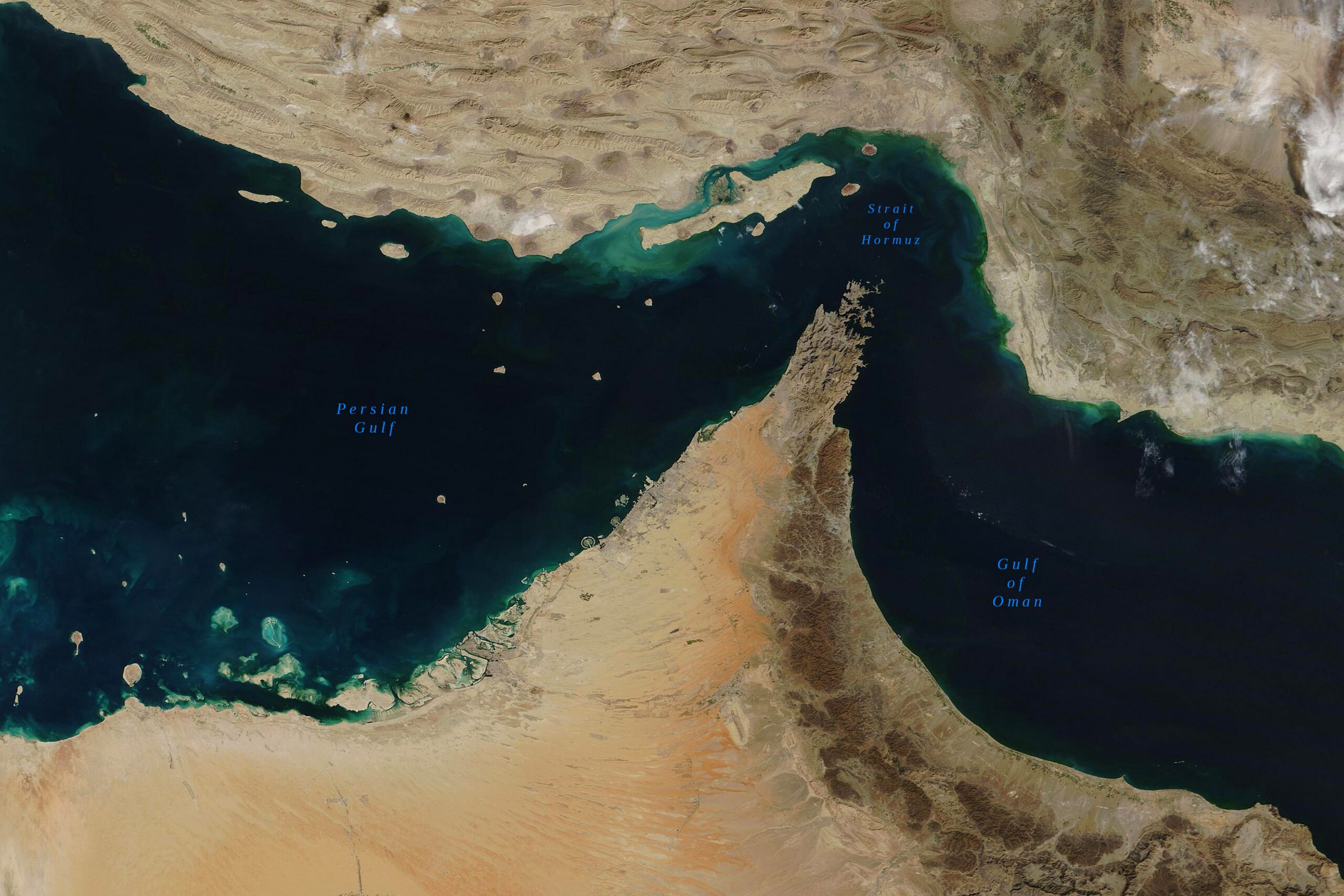
The Strait of Hormuz, through which roughly one-fifth of global seaborne oil transits, has experienced significant traffic disruption since early 2024 following Houthi attacks on commercial vessels and subsequent regional tensions. Polymarket currently prices the probability of a return to normal traffic—defined as a 7-day moving average of 60 or more daily transit calls—at just 8% YES, reflecting trader scepticism that conditions will stabilise by mid-September 2026. The resolution hinges on IMF Portwatch data, which tracks arrivals across container, tanker, dry bulk, and general cargo vessels, making this a granular measure of actual shipping behaviour rather than geopolitical declarations.
Historical precedent suggests that major chokepoint disruptions rarely reverse quickly. The 2022 blockade of the Suez Canal by the Ever Given lasted eleven days but prompted months of rerouting and elevated risk premiums. The 1980–88 Iran–Iraq War saw sustained Hormuz transit reductions for years. Current transit levels have stabilised around 40–50 daily calls, well below the 60-call threshold, and recovery would require either a comprehensive ceasefire agreement, significant de-escalation in regional proxy conflicts, or a demonstrable shift in Houthi operational capability. The low probability reflects the structural nature of the disruption rather than temporary congestion.
Traders monitoring this contract should track announcements from the Houthi movement, US naval posture changes in the region, and any formal negotiations between Iran and Gulf states. Recent reporting from Reuters and Bloomberg has emphasised that shipping companies continue to avoid the direct route, with many routing around the Cape of Good Hope despite higher costs and transit times. Insurance premiums and vessel positioning data will signal whether confidence is genuinely returning before IMF Portwatch figures confirm it.
Methodology
This page is a comparison snapshot: one live quote, four reference venues with their key attributes, and a single execution path — every trade button routes to PolyGram, which mirrors the Polymarket order book directly.
Resolution & payout
Settlement runs on-chain. Polymarket's contract logic separates YES and NO shares as conditional tokens; at resolution the winning share lifts to $1.00 and the losing one to $0. The outcome input comes from the UMA Optimistic Oracle, which secures against bad resolution with a bond + dispute window.
Once finalised, the smart contract pays USDC to the holders' wallets within minutes — no withdrawal fees beyond Polygon network gas. Kalshi settles in USD via CFTC clearance, Betfair in account currency net of commission, Manifold in play-money mana with no cash-out.
FAQ
- Is this market available outside the US?
- Polymarket itself is geo-blocked in the US/UK/EU. Always check the legal status of prediction markets in your jurisdiction before trading.
- How does resolution work?
- Through the UMA Optimistic Oracle on Polygon: a proposer submits the outcome, a two-hour challenge window opens, and USDC payouts settle automatically once the result is final.
- What does Polymarket cost to trade?
- Polymarket itself charges 0% — the only cost is the Polygon network fee, typically under $0.01 per transaction. Off-chain venues like Kalshi or Betfair charge 2-7% commission.
- How fast are USDC deposits?
- Polygon credits deposits after 12 confirmations — usually under 30 seconds. Withdrawals follow the same path and land back in your wallet within minutes.
- Do I need to KYC for this market?
- On Polymarket directly, no — it's wallet-based. Intermediary brokers like PolyGram trigger KYC only above $1,500 of lifetime trading volume; under that you trade pseudonymously with a single wallet address.
%22%2F%3E%3Cpath%20d%3D%22M%206%2066%20A%2026%2026%200%200%201%2058%2066%22%20fill%3D%22%23E6B98D%22%20opacity%3D%220.9%22%2F%3E%3Ccircle%20cx%3D%2232%22%20cy%3D%2226%22%20r%3D%2222%22%20fill%3D%22%23F5CBA7%22%2F%3E%3Crect%20x%3D%2210%22%20y%3D%224%22%20width%3D%2244%22%20height%3D%2214%22%20rx%3D%227%22%20fill%3D%22%2354a9eb%22%20opacity%3D%220.9%22%2F%3E%3Crect%20x%3D%228%22%20%20y%3D%2218%22%20width%3D%228%22%20%20height%3D%2218%22%20rx%3D%224%22%20fill%3D%22%2354a9eb%22%20opacity%3D%220.7%22%2F%3E%3Crect%20x%3D%2248%22%20y%3D%2218%22%20width%3D%228%22%20%20height%3D%2218%22%20rx%3D%224%22%20fill%3D%22%2354a9eb%22%20opacity%3D%220.7%22%2F%3E%3C%2Fsvg%3E) and
and%22%2F%3E%3Cpath%20d%3D%22M%206%2066%20A%2026%2026%200%200%201%2058%2066%22%20fill%3D%22%23E6B98D%22%20opacity%3D%220.9%22%2F%3E%3Ccircle%20cx%3D%2232%22%20cy%3D%2226%22%20r%3D%2222%22%20fill%3D%22%23F5CBA7%22%2F%3E%3Crect%20x%3D%2210%22%20y%3D%224%22%20width%3D%2244%22%20height%3D%2214%22%20rx%3D%227%22%20fill%3D%22%2354a9eb%22%20opacity%3D%220.9%22%2F%3E%3Crect%20x%3D%228%22%20%20y%3D%2218%22%20width%3D%228%22%20%20height%3D%2218%22%20rx%3D%224%22%20fill%3D%22%2354a9eb%22%20opacity%3D%220.7%22%2F%3E%3Crect%20x%3D%2248%22%20y%3D%2218%22%20width%3D%228%22%20%20height%3D%2218%22%20rx%3D%224%22%20fill%3D%22%2354a9eb%22%20opacity%3D%220.7%22%2F%3E%3C%2Fsvg%3E)
Trade Strait of Hormuz traffic returns to normal by Septem… on PolyGram
Live order book, 0% fees, USDC settlement in seconds.
Open live market →